Sprocket Tooth Induction Hardening with Simultaneous Dual-Frequency Heating
Ⅰ. Sprocket Tooth Induction Hardening Application
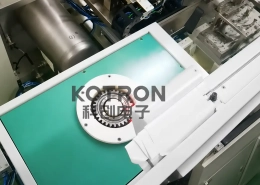
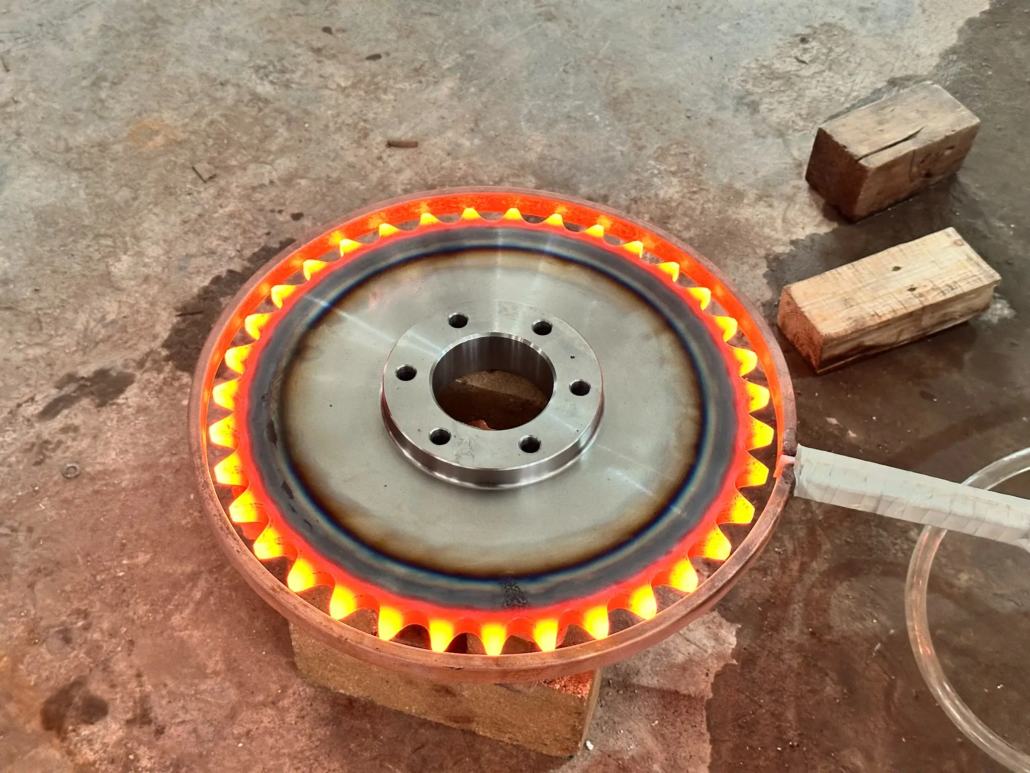
The workpiece is a steel sprocket with teeth arranged around its outer circumference. The required treatment area is the toothed section, rather than the central bore or the entire sprocket body.
For this application, the induction heating system is configured to heat the sprocket teeth around the full circumference in one coordinated heating cycle.
After the heating stage, direct water-spray quenching is used to cool the heated tooth area.
The process involves two main operations:
•Simultaneous dual-frequency induction heating of the sprocket teeth
•Direct water-spray quenching after heating
Actual Heating Process
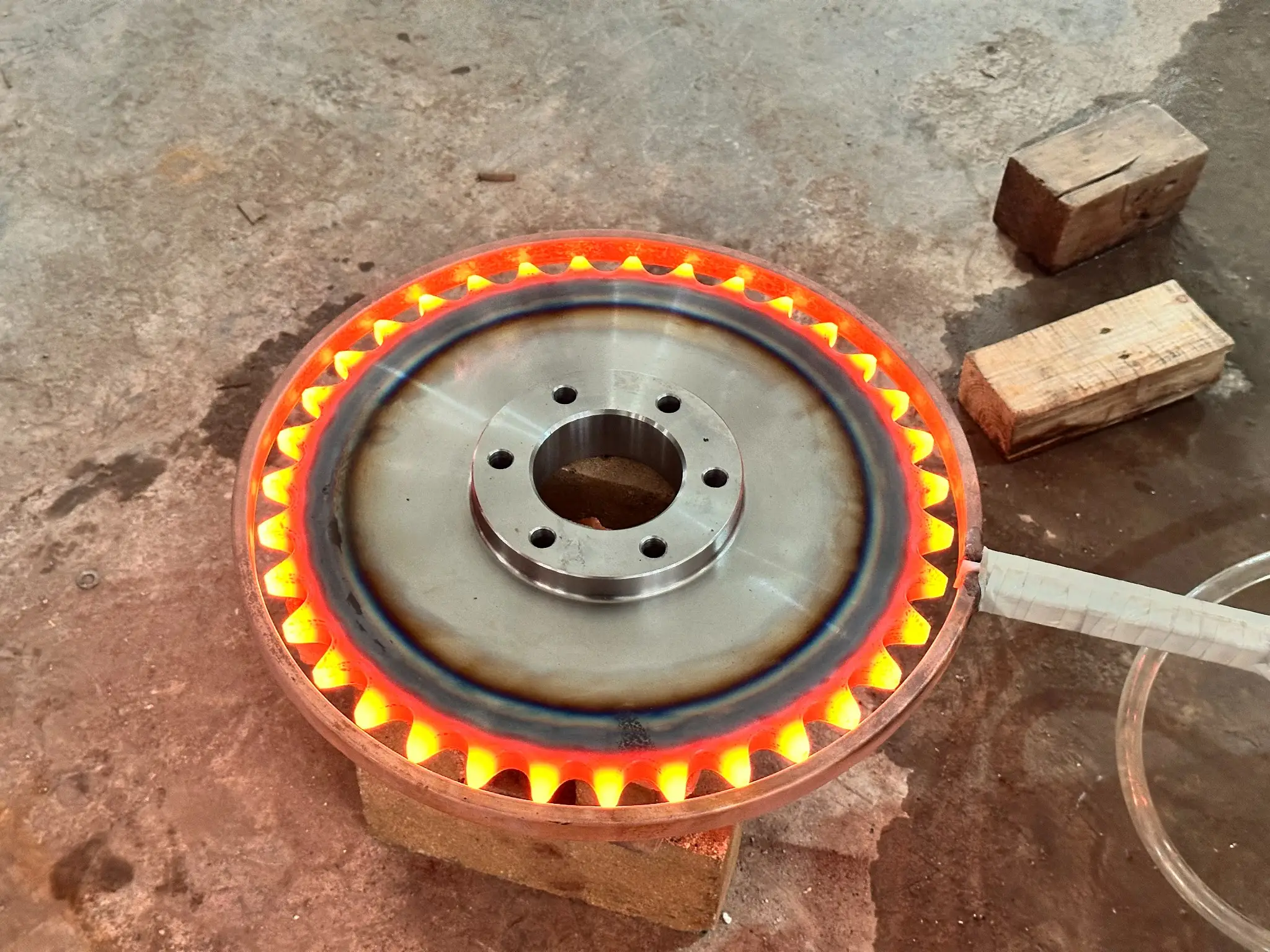
The video below shows the sprocket during the induction heating stage. The teeth around the circumference are heated together using the dual-frequency system.
This arrangement is suitable for sprocket applications where the required hardening area covers the teeth around the outer circumference.
Ⅱ. Simultaneous Dual-Frequency Induction Heating of Sprocket Teeth
The heating system uses two frequencies simultaneously rather than switching between separate heating stages.
This dual-frequency arrangement is designed to heat the sprocket tooth region within the same heating cycle. The induction coil is configured according to the sprocket geometry and the required treatment area.
Dual-Frequency Heating
Both frequencies are applied during the heating process. Their combination is selected according to the workpiece material, tooth dimensions and required hardening specifications.
The actual frequency and power settings need to be determined through process development for the specific sprocket.
Full-Circumference Tooth Heating
Unlike a tooth-by-tooth process, this application heats the teeth around the sprocket circumference together.
The induction coil must be designed to match the tooth profile and maintain the intended heating relationship with the workpiece.
Sprocket diameter, tooth geometry and the required hardened area are important considerations when determining the coil design and operating conditions.
Ⅲ. Direct Water-Spray Quenching
Once the sprocket teeth have reached the required heating condition, water is sprayed directly onto the heated area for quenching.
The cooling stage is an essential part of the induction hardening process. Heating conditions and water-spray cooling need to be matched to the workpiece material and required metallurgical results.
For this application, the main process sequence is:
①Position the sprocket correctly relative to the induction coil.
②Heat the teeth around the circumference using simultaneous dual-frequency induction heating.
③Apply direct water-spray quenching after the heating stage.
The water-spray arrangement should provide suitable cooling conditions for the specified treatment area.
The final process parameters depend on the sprocket material, dimensions and heat treatment requirements. Surface hardness and effective hardening depth should be verified through appropriate testing.
Ⅳ. Dual-Frequency Induction Hardening Equipment and Coil Configuration
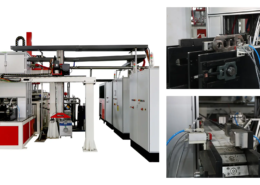
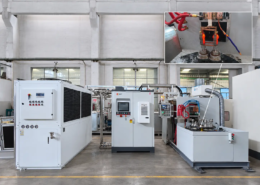
The equipment used for sprocket tooth hardening needs to accommodate both the workpiece geometry and the selected heating and quenching process.
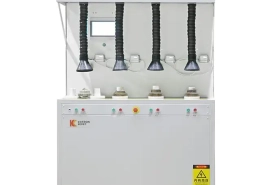
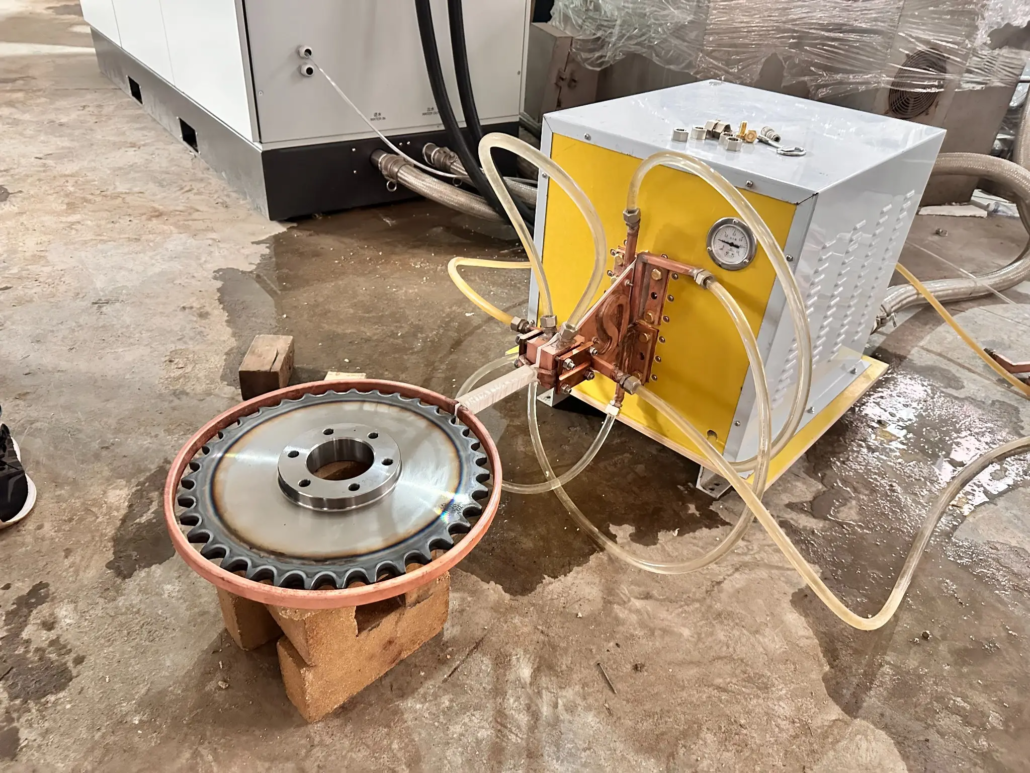
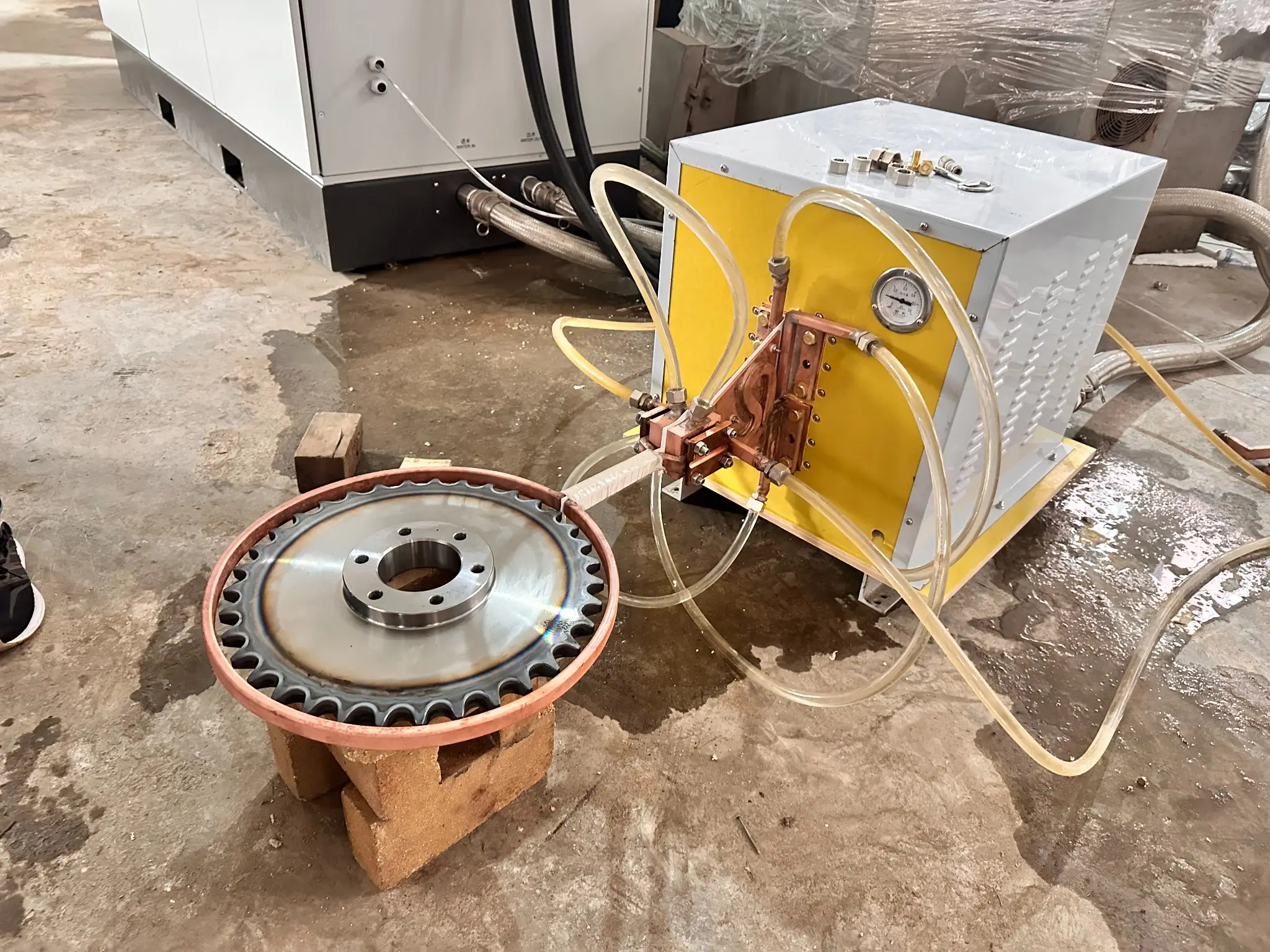
The main elements of the system include the dual-frequency induction power supply, a dedicated induction coil, workpiece positioning components and a water-spray quenching arrangement.
Dual-Frequency Induction Power Supply
The induction power supply provides the two frequencies required for simultaneous operation.
Power and frequency settings are selected according to the sprocket dimensions, material and required hardening specifications.
Induction Coil Design
The coil is designed around the sprocket tooth geometry and the required circumferential heating area.
Its position and dimensions affect how the electromagnetic field is distributed across the workpiece during heating.
Different sprocket sizes and tooth profiles may require different coil configurations.
Workpiece Positioning and Quenching
Correct positioning is important for maintaining the intended relationship between the sprocket teeth and the induction coil.
The water-spray system is arranged to cool the heated tooth area after the induction heating stage.
These components are configured together to meet the requirements of the specific sprocket hardening application.
Ⅴ. Customized Sprocket Induction Hardening Solutions
Sprockets vary considerably in diameter, tooth count, tooth profile and material. These differences need to be considered when selecting the induction heating system and designing the coil.
KECHUANG evaluates the actual workpiece and heat treatment requirements before determining a suitable equipment configuration.
For a sprocket hardening project, customers can provide the following information:
Workpiece Details
— Sprocket drawings or photographs
— Outer diameter and tooth dimensions
— Number of teeth and tooth profile
— Workpiece material and initial condition
Heat Treatment Requirements
— Required hardened area
— Target surface hardness
— Required effective hardening depth
— Quenching requirements
Production Requirements
— Expected production volume
— Required processing cycle
— Manual or automated operation requirements
— Available installation space
Based on these details, KECHUANG can evaluate the dual-frequency power supply, induction coil design and water-spray quenching arrangement for the application.
Frequently Asked Questions
Click a question to expand the answer.
Looking for a Sprocket Induction Hardening Solution?
Send us your sprocket drawings or workpiece photographs together with your heat treatment requirements. KECHUANG can assess the application and provide an induction heating solution designed around your sprocket dimensions, tooth geometry and production needs.