
Posts
 https://www.inductionheatingtreatment.com/wp-content/uploads/2026/10/induction-hardening-process-data-monitoring.webp
941
1672
cui yanan
https://www.inductionheatingtreatment.com/wp-content/uploads/2025/12/kclogo2.webp
cui yanan2026-10-13 07:17:462026-10-13 09:20:57What Process Data Should an Induction Hardening Machine Record?
 https://www.inductionheatingtreatment.com/wp-content/uploads/2026/10/large-flange-od-induction-hardening.webp
941
1672
cui yanan
https://www.inductionheatingtreatment.com/wp-content/uploads/2025/12/kclogo2.webp
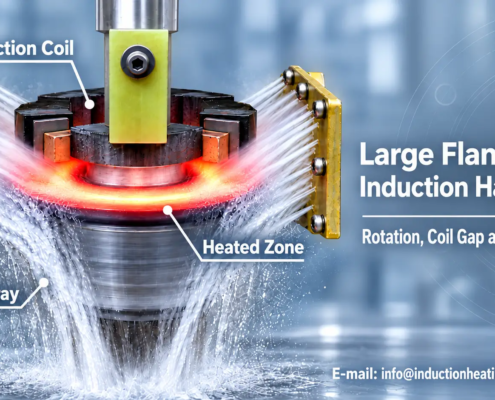
cui yanan2026-10-12 06:50:112026-10-12 06:50:11Large Flange OD Induction Hardening: Rotation, Coil Gap and Quenching
 https://www.inductionheatingtreatment.com/wp-content/uploads/2026/10/induction-hardening-process-validation.webp
941
1672
cui yanan
https://www.inductionheatingtreatment.com/wp-content/uploads/2025/12/kclogo2.webp
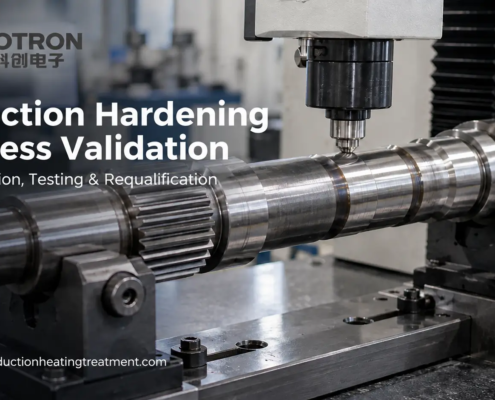
cui yanan2026-10-09 06:42:122026-10-09 06:42:12Induction Hardening Process Validation: Qualification, Testing and Requalification
 https://www.inductionheatingtreatment.com/wp-content/uploads/2026/09/induction-hardening-quench-control.webp
941
1672
cui yanan
https://www.inductionheatingtreatment.com/wp-content/uploads/2025/12/kclogo2.webp
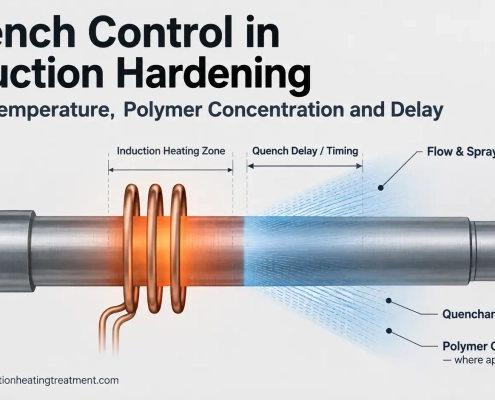
cui yanan2026-09-30 03:09:512026-09-30 03:09:51Quench Control in Induction Hardening: Flow, Temperature, Polymer Concentration and Delay
 https://www.inductionheatingtreatment.com/wp-content/uploads/2026/09/typical-prior-microstructures-before-induction-hardening.webp
941
1672
cui yanan
https://www.inductionheatingtreatment.com/wp-content/uploads/2025/12/kclogo2.webp
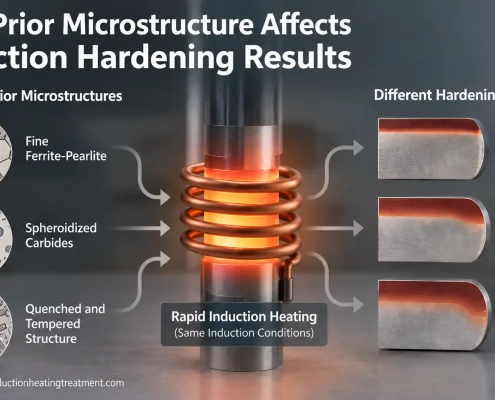
cui yanan2026-09-29 07:33:472026-09-29 07:33:47How Prior Microstructure Affects Induction Hardening Results
 https://www.inductionheatingtreatment.com/wp-content/uploads/2026/09/tempering-after-induction-hardening.webp
941
1672
cui yanan
https://www.inductionheatingtreatment.com/wp-content/uploads/2025/12/kclogo2.webp
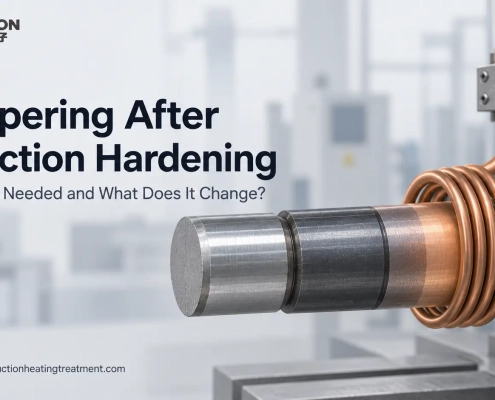
cui yanan2026-09-23 07:19:212026-09-23 07:19:21Tempering After Induction Hardening: When Is It Needed and What Does It Change?
 https://www.inductionheatingtreatment.com/wp-content/uploads/2026/09/induction-hardening-inspection.webp
941
1672
cui yanan
https://www.inductionheatingtreatment.com/wp-content/uploads/2025/12/kclogo2.webp
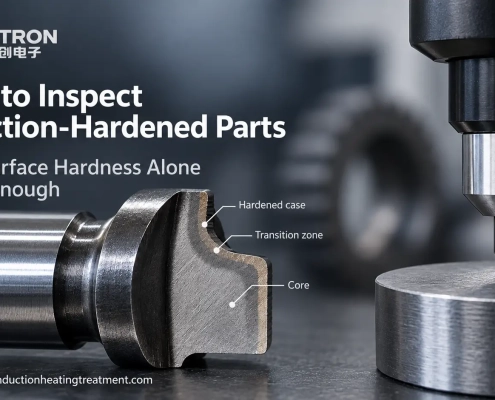
cui yanan2026-09-22 07:46:022026-09-22 07:46:02How to Inspect Induction-Hardened Parts: Why Surface Hardness Alone Is Not Enough
 https://www.inductionheatingtreatment.com/wp-content/uploads/2026/09/complex-blade-induction-coil-positioning.webp
1080
1920
cui yanan
https://www.inductionheatingtreatment.com/wp-content/uploads/2025/12/kclogo2.webp
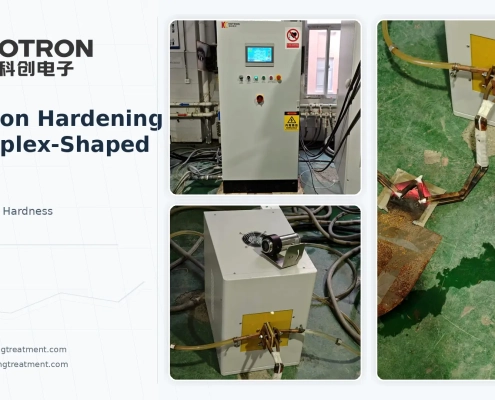
cui yanan2026-09-18 08:14:072026-09-18 08:14:07Induction Hardening of Complex-Shaped Blades: Coil Design and Hardness Pattern Control
 https://www.inductionheatingtreatment.com/wp-content/uploads/2026/09/surface-decarburization-induction-hardening.webp
941
1672
cui yanan
https://www.inductionheatingtreatment.com/wp-content/uploads/2025/12/kclogo2.webp
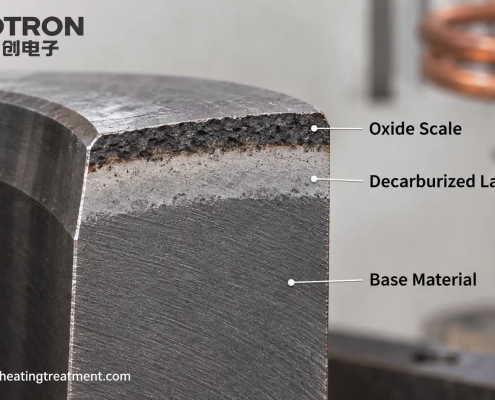
cui yanan2026-09-15 05:10:022026-09-15 05:10:02Surface Decarburization in Induction Hardening: Causes, Detection, and Control
Portfolio Items
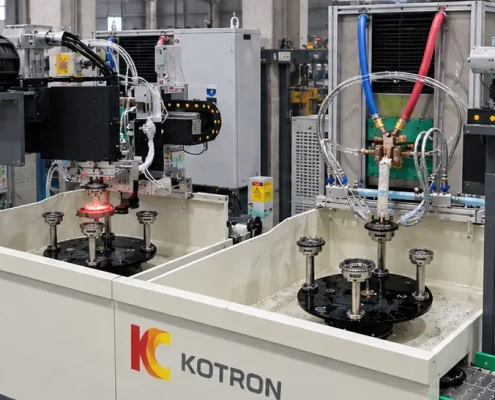 https://www.inductionheatingtreatment.com/wp-content/uploads/2026/09/Automatic-Induction-Hardening-and-Tempering.webp
546
729
cui yanan
https://www.inductionheatingtreatment.com/wp-content/uploads/2025/12/kclogo2.webp
cui yanan2026-09-07 05:24:092026-09-08 03:49:03Automatic Induction Hardening and Tempering Line for Automotive Transmission Components


