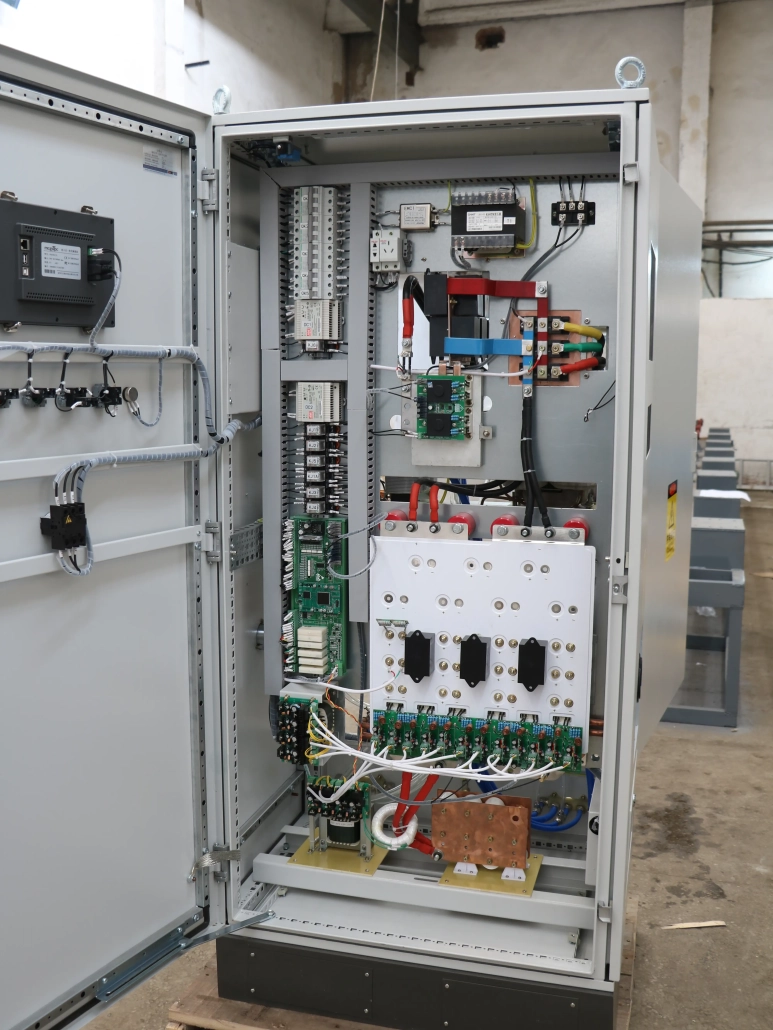
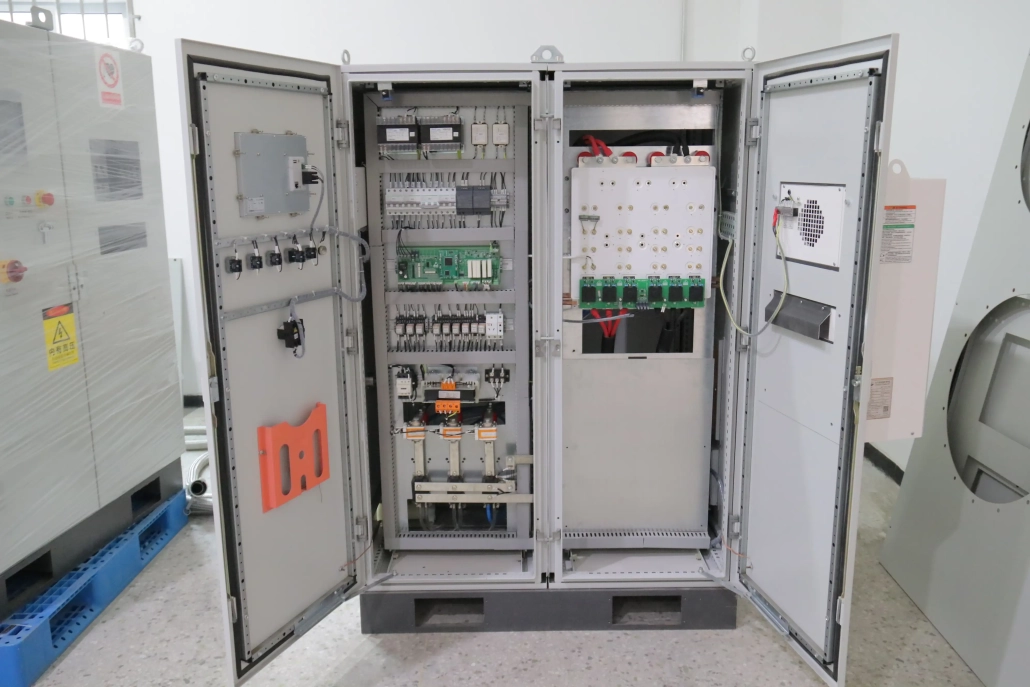
What is Induction Heating Treatment Products ?
Our Induction heating Treatment Products
 https://www.inductionheatingtreatment.com/wp-content/uploads/2026/08/Automatic-Induction-Hardening-and-Tempering-of-Rail-Transit-Anchor-Bolts3-scaled.webp
1920
2560
cui yanan
https://www.inductionheatingtreatment.com/wp-content/uploads/2025/12/kclogo2.webp
cui yanan2026-08-21 07:01:532026-08-21 07:01:53Fully Automatic Induction Hardening and Tempering Equipment for Rail Transit Components
 https://www.inductionheatingtreatment.com/wp-content/uploads/2026/08/excavator-bucket-tooth-plate-induction-preheating-01-scaled.webp
1922
2560
cui yanan
https://www.inductionheatingtreatment.com/wp-content/uploads/2025/12/kclogo2.webp
cui yanan2026-08-20 05:53:162026-09-22 08:43:51Induction Preheating System for Excavator Bucket Welding
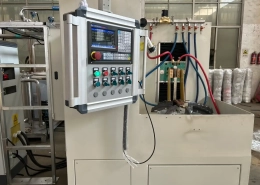 https://www.inductionheatingtreatment.com/wp-content/uploads/2026/08/Complete-equipment-for-induction-hardening-of-blades4.webp
874
1166
cui yanan
https://www.inductionheatingtreatment.com/wp-content/uploads/2025/12/kclogo2.webp
cui yanan2026-08-19 08:25:022026-08-19 08:24:48Automatic Blade Induction Hardening Machine | Custom Edge Hardening Solutions
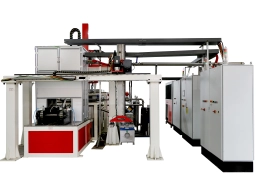 https://www.inductionheatingtreatment.com/wp-content/uploads/2026/08/Track-link-quenching-machine-tool-1-scaled.webp
1922
2560
cui yanan
https://www.inductionheatingtreatment.com/wp-content/uploads/2025/12/kclogo2.webp
cui yanan2026-08-18 03:21:492026-09-22 08:44:57Automatic Track Link Tread Induction Hardening and Tempering Line
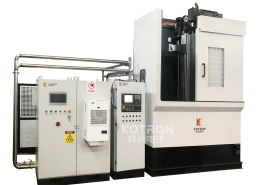 https://www.inductionheatingtreatment.com/wp-content/uploads/2026/08/Large-scale-vertical-quenching-equipment-set-1-scaled-e1786938371137.webp
1668
2206
cui yanan
https://www.inductionheatingtreatment.com/wp-content/uploads/2025/12/kclogo2.webp
cui yanan2026-08-17 05:04:472026-09-22 08:45:25Camshaft Induction Hardening Machine
 https://www.inductionheatingtreatment.com/wp-content/uploads/2026/08/concrete-pump-pipe-inner-wall-induction-hardening-line.webp
414
745
cui yanan
https://www.inductionheatingtreatment.com/wp-content/uploads/2025/12/kclogo2.webp
cui yanan2026-08-13 03:34:402026-09-22 08:45:54Concrete Pump Pipe Induction Hardening Machine
 https://www.inductionheatingtreatment.com/wp-content/uploads/2026/08/Truss-type-automatic-loading-and-quenching-production-line-scaled.webp
2560
2557
cui yanan
https://www.inductionheatingtreatment.com/wp-content/uploads/2025/12/kclogo2.webp
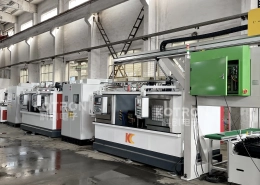
cui yanan2026-08-11 08:08:512026-09-22 08:50:16Automatic Induction Hardening Machine for Powder Metallurgy Gears
 https://www.inductionheatingtreatment.com/wp-content/uploads/2026/08/Gear-Shrink-Fitting-Cover-Page1.webp
1254
1254
cui yanan
https://www.inductionheatingtreatment.com/wp-content/uploads/2025/12/kclogo2.webp
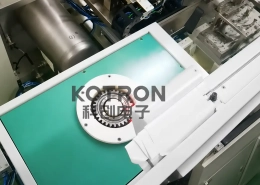
cui yanan2026-08-10 06:47:372026-09-22 08:50:53Automatic Induction Shrink Fitting Line
 https://www.inductionheatingtreatment.com/wp-content/uploads/2026/08/Horizontal-integrated-quenching-machine-tool-scaled.webp
1920
2560
cui yanan
https://www.inductionheatingtreatment.com/wp-content/uploads/2025/12/kclogo2.webp
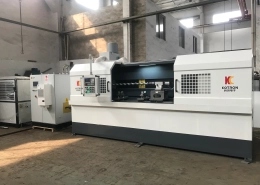
cui yanan2026-08-07 07:03:072026-09-22 08:51:28CNC Induction Hardening Machine
 https://www.inductionheatingtreatment.com/wp-content/uploads/2026/08/Pipe-Bending-Heating-1.webp
1279
1706
cui yanan
https://www.inductionheatingtreatment.com/wp-content/uploads/2025/12/kclogo2.webp
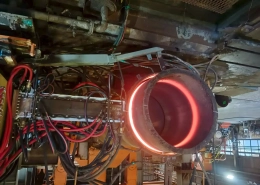
cui yanan2026-08-06 08:05:382026-08-17 09:02:13Medium-Frequency Induction Pipe Bending System
 https://www.inductionheatingtreatment.com/wp-content/uploads/2026/08/Blade-quenching-equipment.webp
826
1452
cui yanan
https://www.inductionheatingtreatment.com/wp-content/uploads/2025/12/kclogo2.webp
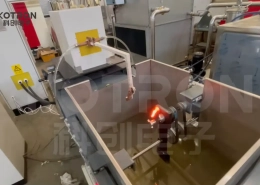
cui yanan2026-08-05 07:03:472026-08-05 09:14:07Industrial Blade Induction Hardening System
 https://www.inductionheatingtreatment.com/wp-content/uploads/2026/08/Inclined-vertical-raceway-quenching-machine-tool-scaled.webp
1920
2560
cui yanan
https://www.inductionheatingtreatment.com/wp-content/uploads/2025/12/kclogo2.webp
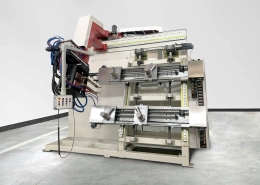
cui yanan2026-08-04 03:02:572026-09-22 08:37:01Inclined Vertical Raceway CNC Quenching Machine
 https://www.inductionheatingtreatment.com/wp-content/uploads/2026/07/Dual-station-gantry-quenching-equipment-1.png
401
534
cui yanan
https://www.inductionheatingtreatment.com/wp-content/uploads/2025/12/kclogo2.webp
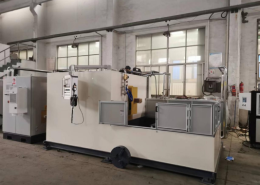
cui yanan2026-07-31 05:41:162026-09-22 08:33:17Gantry Dual-Station Slewing Bearing Internal Gear Induction Hardening Machine
 https://www.inductionheatingtreatment.com/wp-content/uploads/2026/01/Induction-Heating-Treatment-for-Shrink-Fitting-Disassembly-1.webp
640
640
inductionheatingtreatment
https://www.inductionheatingtreatment.com/wp-content/uploads/2025/12/kclogo2.webp
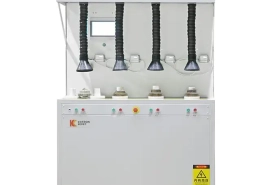
inductionheatingtreatment2026-01-06 02:48:122026-01-15 06:34:37Induction Heating Treatment for Shrink Fitting & Disassembly
 https://www.inductionheatingtreatment.com/wp-content/uploads/2026/01/Air-cooled-Induction-Heating-System-3.webp
420
420
inductionheatingtreatment
https://www.inductionheatingtreatment.com/wp-content/uploads/2025/12/kclogo2.webp
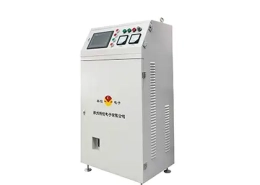
inductionheatingtreatment2026-01-06 02:07:082026-01-15 06:34:26Air-cooled Induction Heating System
 https://www.inductionheatingtreatment.com/wp-content/uploads/2025/12/Copper-Tube-Manifold-Welding-1.webp
500
500
inductionheatingtreatment
https://www.inductionheatingtreatment.com/wp-content/uploads/2025/12/kclogo2.webp
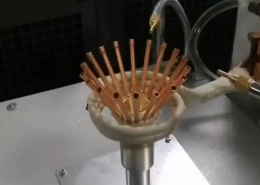
inductionheatingtreatment2025-12-18 01:53:592026-08-05 07:23:24Copper Tube Manifold Welding
 https://www.inductionheatingtreatment.com/wp-content/uploads/2025/12/Saw-Blade-Induction-Quenching-Treatment-Machine.webp
756
1008
inductionheatingtreatment
https://www.inductionheatingtreatment.com/wp-content/uploads/2025/12/kclogo2.webp
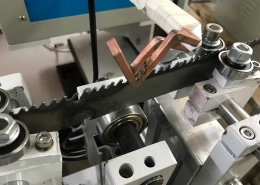
inductionheatingtreatment2025-12-11 09:10:062025-12-30 07:13:55Saw Blade Induction Quenching Treatment Machine
 https://www.inductionheatingtreatment.com/wp-content/uploads/2025/12/Automotive-anti-collision-beam-pipe-induction-heating-treatment-production-line-1-1.webp
606
1080
inductionheatingtreatment
https://www.inductionheatingtreatment.com/wp-content/uploads/2025/12/kclogo2.webp
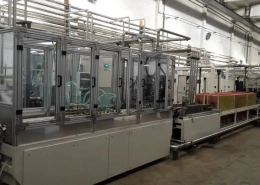
inductionheatingtreatment2025-12-11 08:45:072025-12-30 07:14:49Automotive anti-collision beam pipe induction heating treatment production line
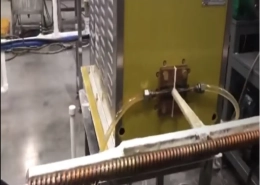 https://www.inductionheatingtreatment.com/wp-content/uploads/2025/12/steel-wire-induction-heating-production-line.webp
1000
1000
inductionheatingtreatment
https://www.inductionheatingtreatment.com/wp-content/uploads/2025/12/kclogo2.webp
inductionheatingtreatment2025-12-11 07:39:072025-12-30 07:15:02Induction heating treatment production line for Steel wire
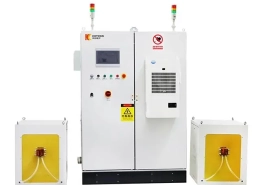 https://www.inductionheatingtreatment.com/wp-content/uploads/2025/12/Multi-Frequency-Induction-Heating-Power-Supply-1.webp
640
640
inductionheatingtreatment
https://www.inductionheatingtreatment.com/wp-content/uploads/2025/12/kclogo2.webp
inductionheatingtreatment2025-12-02 05:37:102025-12-30 07:15:18Multi-Frequency Induction Heating Power Supply
How to choose Induction Heating Treatment Products ?
I. Clarify Heating Requirements and Process Specifications
The core is to accurately match key parameters of the production scenario:
Heating Object: Determine the equipment adaptation direction based on the electromagnetic induction characteristics of different metals such as steel, copper, aluminum, and stainless steel;
Process Links: Specify temperature control, heating depth, and uniformity standards according to requirements for pre-forging heating, welding, annealing, quenching, smelting, etc.;
Production Rhythm: Mass production requires emphasis on high power and automated configurations, while small-batch customization can flexibly select basic models.
II. Match Equipment Power and Frequency
Power and frequency are core performance indicators that directly affect heating results:
Power: Determines heating speed and energy supply. Avoid insufficient power leading to low efficiency or excessive power causing energy waste;
Frequency: Controls heating depth—low frequency is suitable for overall heating/large workpieces, medium frequency for forging heat penetration, welding, and smelting, and high frequency for surface quenching and small workpiece processing. Select reasonably according to workpiece specifications.
III. Evaluate Equipment Stability and Control System
Key to ensuring long-term reliable operation:
Core Components: Prioritize equipment with high-quality power modules such as IGBT or MOSFET to improve stability;
Protection Functions: Essential multiple protections including overvoltage, overcurrent, phase loss, and cooling water underflow protection to avoid operational risks;
Control System: Prefer equipment with intelligent operation interfaces, closed-loop temperature control, and automated linkage functions to ensure stable production efficiency and quality.
IV. Focus on Energy Consumption and Environmental Performance
Align with green production needs:
Energy Efficiency: Choose equipment with an electrical energy conversion rate of over 90%, combined with an efficient water cooling system to reduce operating costs and energy loss;
Environmental Friendliness: Prioritize models with no open flames or exhaust gas emissions to meet modern factory environmental standards.
V. Assess Equipment Supporting and Automation Level
Adapt to the linkage needs of modern industrial production:
Supporting Mechanisms: Select automatic feeding and discharging devices as needed to ensure compatibility with existing transmission lines, robots, and other equipment;
Intelligent Linkage: Equipment that supports process parameter storage and recall, and linkage with MES systems can significantly improve efficiency and reduce labor costs.
VI. Verify After-Sales Service and Brand Reputation
Reduce long-term usage risks:
Service Guarantee: Confirm that the manufacturer provides installation and commissioning, operation training, long-term technical support, and vulnerable parts supply services;
Brand Selection: Prioritize brands with good market reputation and high credibility to ensure equipment quality and after-sales response speed.